

Quick answer
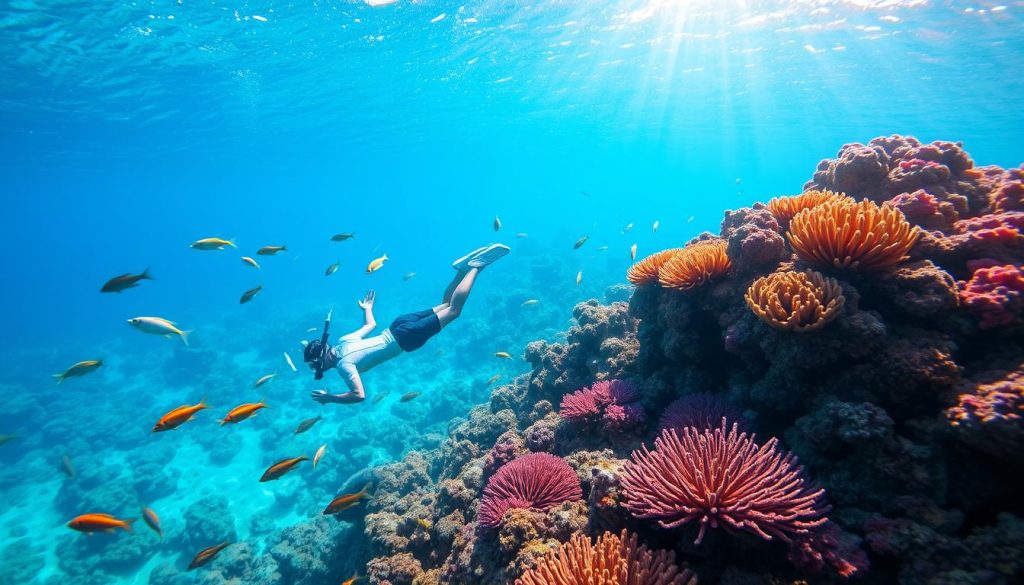
Snorkeling Puerto Rico Culebra at Flamenco Beach is available daily from 7:00am to 5:30pm, with a required $2 per-person entry fee. Arrive between 7:00am and 10:00am for the calmest water, best visibility, and available parking—conditions deteriorate as wind picks up after midday and crowds compress the shoreline. The western and eastern rocky points hold the densest marine life, while the central sandy stretch serves as your entry and exit corridor.
The reef structure flanking Flamenco Beach formed over centuries as elkhorn and brain corals colonized the submerged volcanic rock, creating the tiered shelf that now defines Culebra snorkeling access. Water temperature holds steady between 78°F and 84°F year-round, eliminating the need for thermal protection but requiring vigilant sun coverage above the surface. Snorkeling puerto rico culebra centers on two distinct zones: the western point near the old military tank and the eastern point where the beach curves toward Playa Carlos Rosario. Both drop to 12-18 feet within 50 yards of shore, shallow enough for novice swimmers but deep enough to host cleaning stations where yellowtail snappers and blue tangs congregate. Hawksbill turtles patrol the algae beds at both points during morning hours, surfacing every eight to twelve minutes in predictable patterns that allow patient observers guaranteed sightings. Current flows east to west along the beach, strongest during outgoing tides when the channel between Culebra and Cayo Norte accelerates water movement. Snorkelers entering at the eastern point can drift the entire beach length in 25 minutes, riding the current past staghorn thickets and sand channels where southern stingrays bury themselves. The return swim against current demands moderate fitness; less confident swimmers should start at the western point and work eastward in shorter segments. Visibility peaks in early morning before ferry arrivals stir sediment and before afternoon thermal currents blur the water column. By 2:00pm, particulate matter suspended by hundreds of swimmers reduces clarity from 80 feet to 40 feet, and the angle of sunlight no longer penetrates to the reef floor. The narrow window between first light and mid-morning surge explains why experienced snorkelers treat Culebra as a dawn mission rather than an afternoon leisure activity. Marine protection regulations prohibit touching coral, feeding fish, or removing any biological material including empty shells. Rangers patrol both points during peak hours and issue citations for contact with protected species. The $2 entry fee funds these enforcement efforts and the mooring buoys that keep boat anchors off the reef structure, maintaining the ecosystem integrity that makes snorkeling puerto rico culebra viable as a daily-access activity rather than a dive-charter exclusive.
“Water temperature holds steady between 78°F and 84°F year-round, eliminating the need for thermal protection but requiring vigilant sun coverage above the surface.”
The Best Arrival Windows for Snorkeling Puerto Rico Culebra
The best arrival window for snorkeling Culebra is 07:00–10:00 to secure parking and experience optimal water clarity. Arriving during this period allows you to enjoy the calmest sea conditions before afternoon trade winds increase surface chop and visitor volume peaks.
Mid-April to June
Low to moderateWarm, calm waters 82–85°F
This window offers clear visibility and avoids the peak winter tourism surge.
September to October
LowWarmest waters 85–86°F
These months follow the summer rush and provide excellent conditions before winter weather patterns begin.
Weekday mornings
Minimal—
Visiting on weekdays significantly reduces crowd density compared to weekends and holidays.
Verdict: The most favorable experience occurs on weekday mornings in April or October, utilizing the 07:00–10:00 arrival window.
Underwater Highlights of Snorkeling Puerto Rico Culebra
The snorkeling zones at Flamenco Beach feature distinct reef structures and diverse marine environments. Understanding these specific areas helps visitors locate sea turtles, coral formations, and schools of tropical fish.
Western Reef Shelf
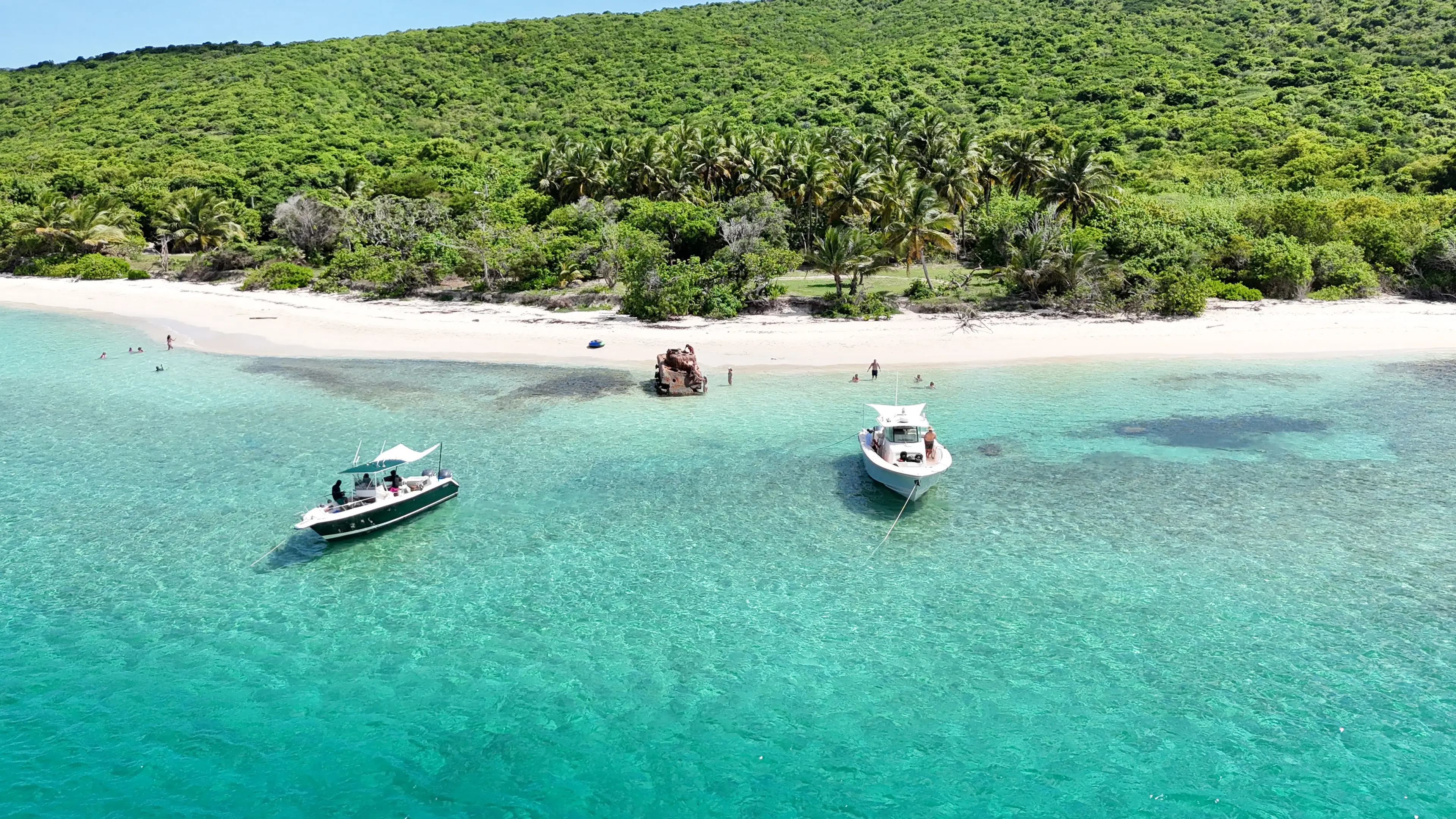
Located toward the western end of the beach, this area features shallow coral formations that provide shelter for parrotfish and tangs. The water clarity here is often highest during morning hours before the tide shifts.
Swim toward the rocky outcroppings to spot juvenile reef fish.
Eastern Shoreline Reefs
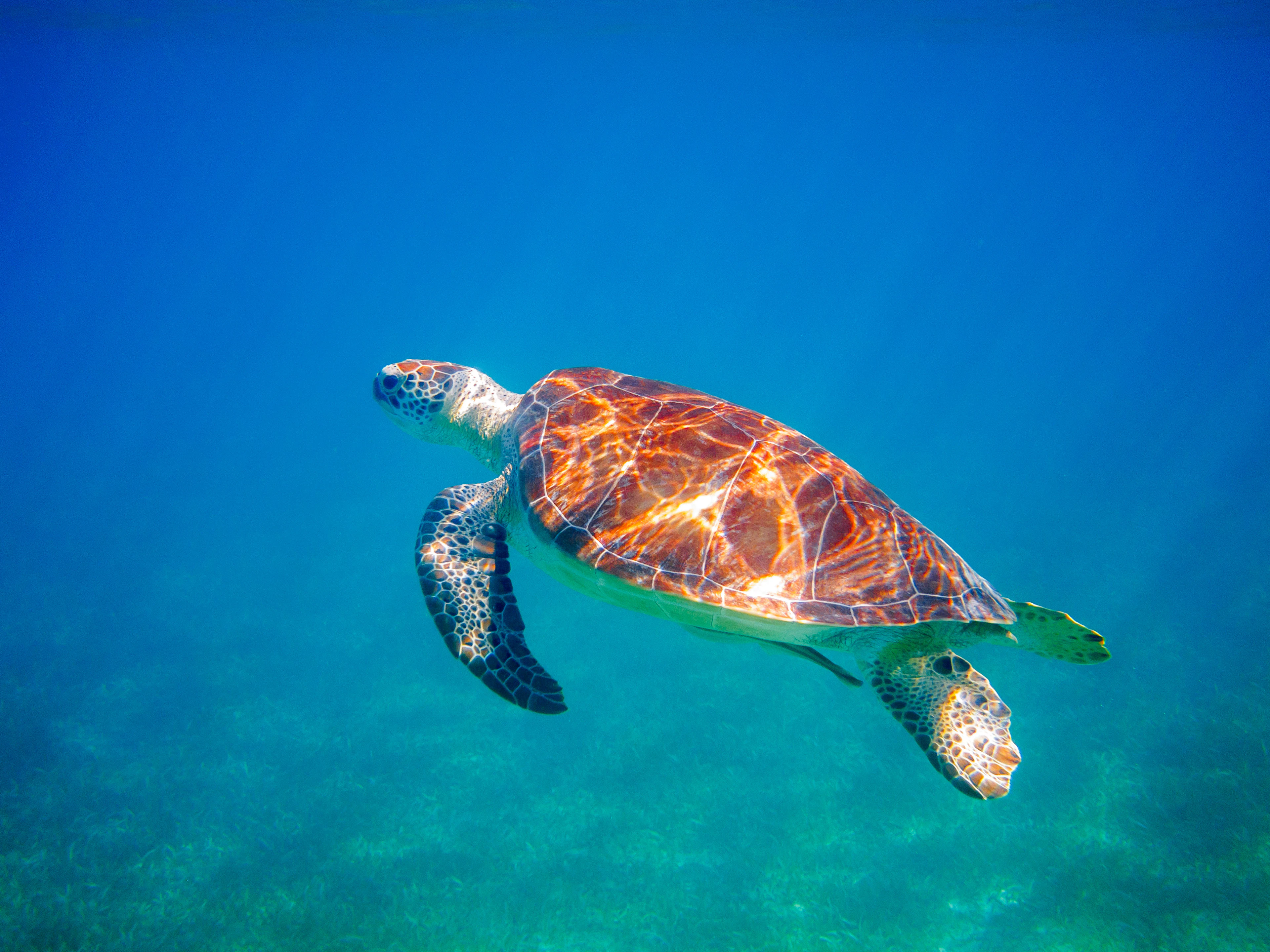
The eastern section hosts extensive seagrass beds and patch reefs where green sea turtles are frequently observed feeding. These calmer, shallower waters are suitable for observing slow-moving marine life.
Keep a steady pace while scanning the seagrass for grazing turtles.
The Tank Obstacles
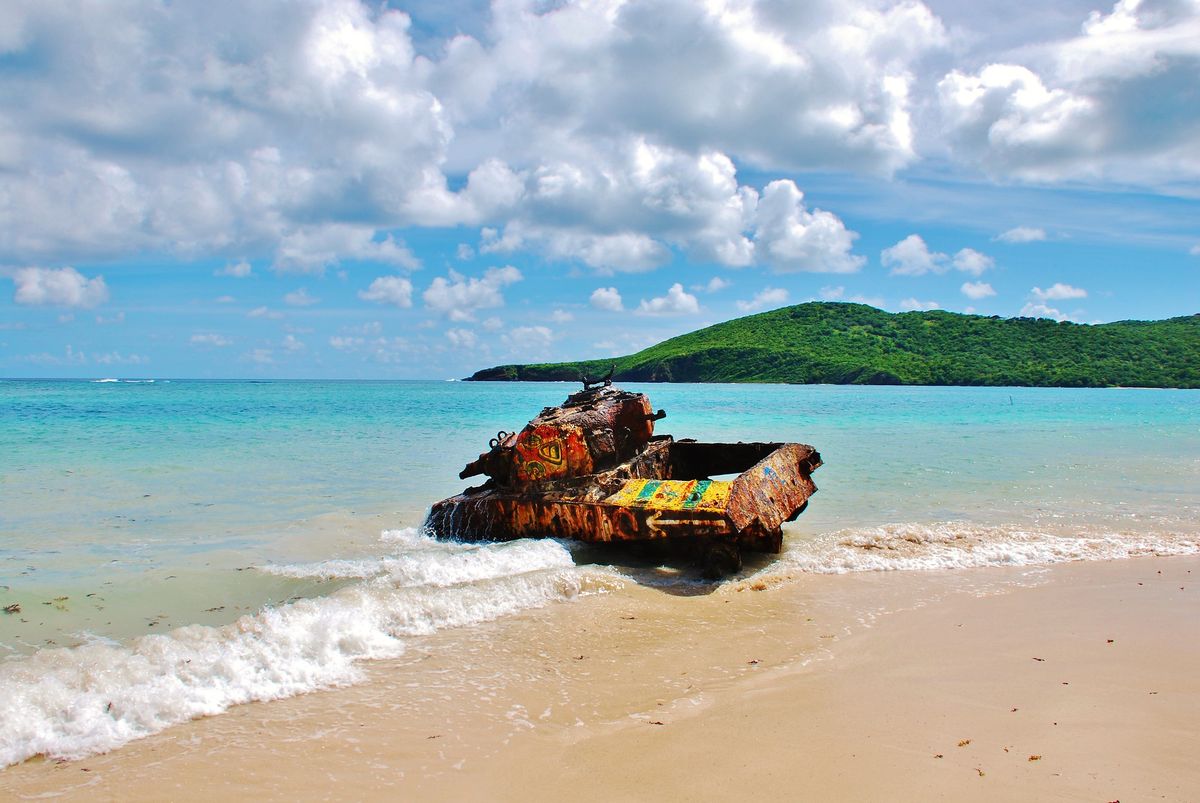
The remnants of military tanks sitting in the shallow water have developed into artificial reef structures. These metal surfaces attract various encrusting organisms and small fish species.
Observe the marine life congregating near the rusted metal hulls.
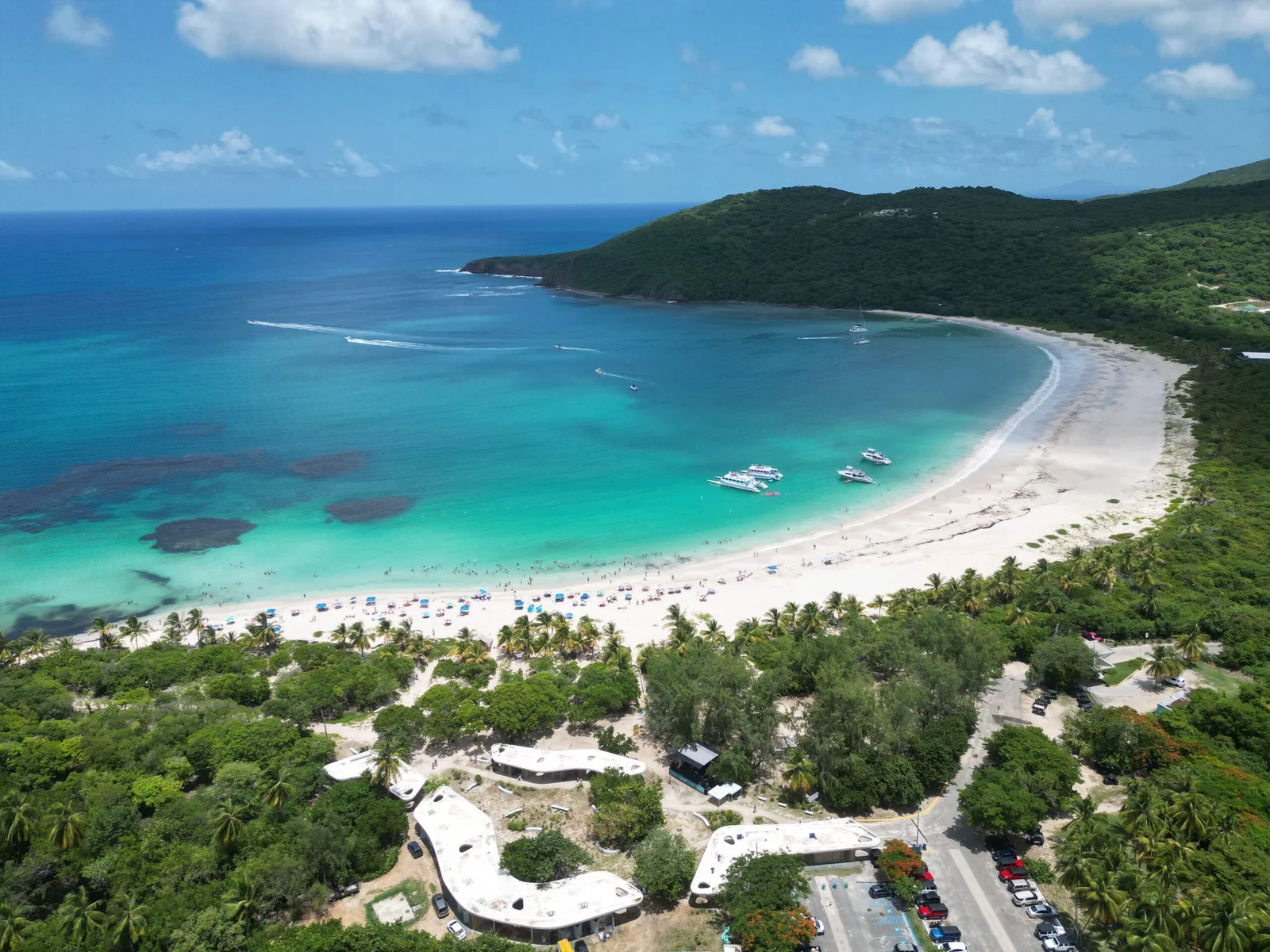
Coral Patch Zone
Mid-way along the beach, scattered coral heads create a mosaic of habitats for damselfish and butterflyfish. The depth remains consistent, allowing for extended observation of the reef ecosystem.
Focus on the isolated coral heads to see smaller reef inhabitants.
Mistakes to Avoid When Snorkeling Puerto Rico Culebra
Culebra's calm waters attract confident swimmers who skip basic precautions. The same conditions that make snorkeling accessible here—strong sun, limited shade, infrequent ferry schedules—catch unprepared visitors off guard.
Skipping reef-safe sunscreen or reapplying too late
Apply reef-safe SPF 50+ thirty minutes before entering the water and reapply every ninety minutes. UV reflection off the water intensifies burn risk even on overcast days.
Snorkeling without a buddy or staying too far offshore
Always snorkel with a partner and stay within 100 feet of shore where currents are weakest. Solo snorkelers have no backup if they experience cramps or equipment failure.
Ignoring return ferry schedules from Culebra to the mainland
Book your return ferry at least two weeks ahead during peak season and arrive at the dock thirty minutes early. Missing the last ferry means an unplanned overnight stay with limited same-day accommodation.
Wearing cotton shirts instead of rash guards for sun protection
Cotton stays wet, causes chafing, and provides no UV protection once soaked. A long-sleeve rash guard blocks 98% of UV rays and dries quickly between snorkeling sessions.
Forgetting to hydrate before and during beach time
Drink at least 16 ounces of water before snorkeling and bring two liters per person to the beach. Dehydration onset is rapid in tropical sun and seawater immersion masks early thirst signals.
Essential Checklist for Snorkeling Puerto Rico Culebra
Culebra's remote location and limited facilities mean careful preparation is essential for a comfortable day of snorkeling.
-
Pack your own snorkeling gear — Rentals are scarce on Culebra, so bring a mask, snorkel, and fins from the mainland.
-
Bring reef-safe sunscreen — Protect the coral while avoiding sunburn in the intense tropical sun.
-
Carry cash for the entrance fee — The $2 per person beach access donation is required and card readers are unreliable.
-
Pack food and plenty of water — No restaurants or shops operate on Flamenco Beach, and dehydration happens quickly.
-
Bring a waterproof bag — Keep your phone, keys, and dry clothes safe while you're in the water.
-
Wear water shoes or sandals — Rocky entry points and sea urchins make barefoot snorkeling risky in certain areas.
Check availability
Frequently Asked Questions About Snorkeling Puerto Rico Culebra
Everything you need to know about snorkeling puerto rico culebra