

Quick answer
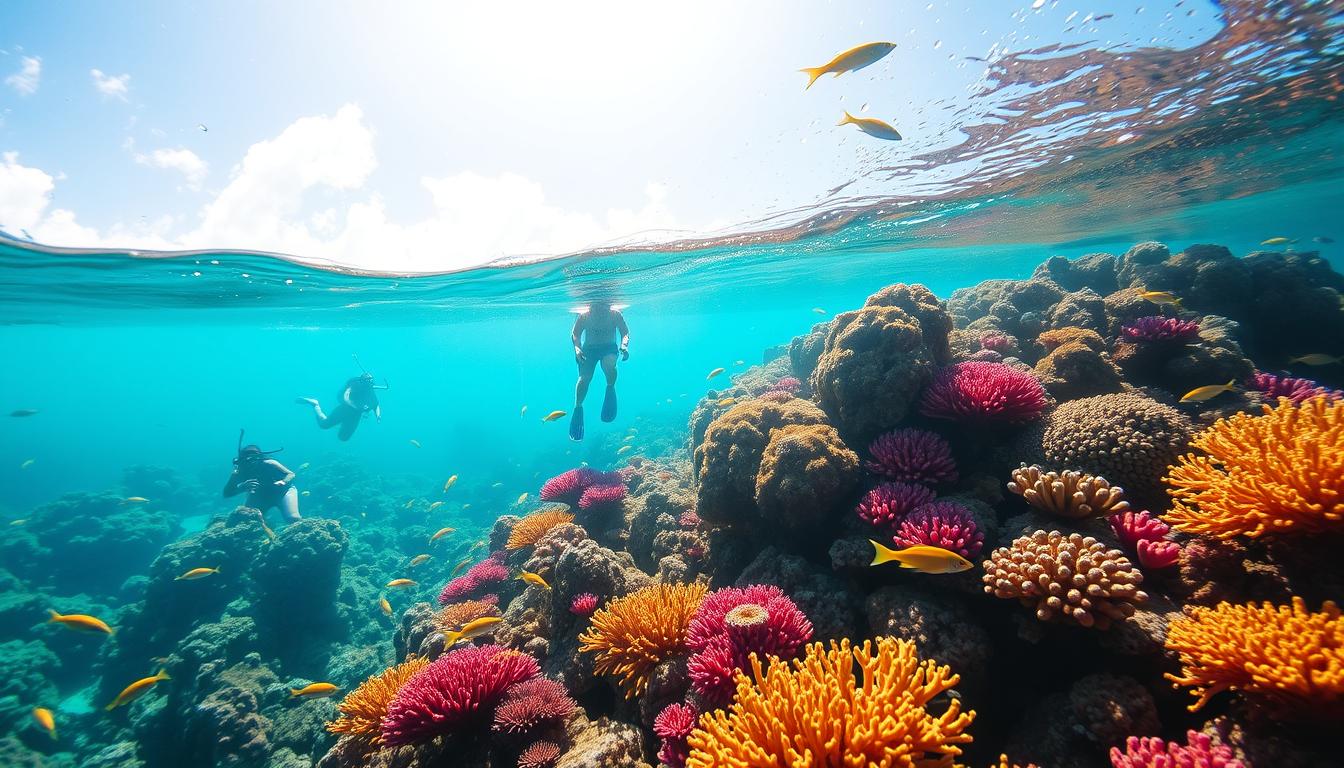
Snorkeling Puerto Rico reviews consistently highlight Culebra's Tamarindo Beach and Flamenco Beach for calm conditions and turtle sightings, while Vieques earns praise for vibrant coral gardens and fewer crowds. Most visitors recommend arriving between 8:00 and 10:00 AM for optimal visibility before afternoon wind stirs sediment. Public beach access is free, though equipment rental and boat transfers to outlying reefs add cost.
Puerto Rico's reef systems host over 500 fish species and three species of sea turtles, a density that places the archipelago among the Caribbean's most biodiverse snorkeling destinations. Snorkeling Puerto Rico reviews from the past eighteen months reveal consistent patterns across the island's most visited sites. Culebra's Tamarindo Beach receives high marks for its protected cove and reliable sea turtle encounters—visitors report seeing green and hawksbill turtles in water shallow enough to observe without fins. Flamenco Beach, while more crowded, offers long stretches of reef accessible from shore, with parrotfish, sergeant majors, and occasional southern stingrays. Reviewers note that weekday mornings yield clearer water and smaller groups. On Vieques, Blue Beach and Esperanza's reefs draw praise for intact elkhorn coral formations and schools of yellowtail snapper, though the eastern sites require stronger swimming ability due to open-water swells. Main-island snorkeling at Escambrón Beach in San Juan and La Parguera's mangrove channels attracts mixed feedback—urban accessibility trades off against reef health, with some visitors noting algae growth and limited fish diversity compared to the offshore islands. Water temperature remains comfortable year-round, averaging 80°F, but visibility fluctuates with weather; post-storm runoff can reduce clarity to under ten feet for several days. Equipment quality varies widely among rental vendors. Recent reviews emphasize inspecting masks for proper seal and requesting prescription lenses if needed—fogged or leaking gear cuts short many sessions. Guided snorkel tours to Culebrita or Cayo Icacos consistently earn higher satisfaction ratings than solo shore entries, as captains navigate to current-protected sites and provide briefings on marine-life etiquette. Visitors also report that reef-safe sunscreen enforcement has tightened at protected areas since 2025, with some vendors refusing entry to those carrying non-compliant products.
“Culebra's reefs host over 500 fish species and three species of sea turtles, a density that places the archipelago among the Caribbean's most biodiverse snorkeling destinations.”
Best Time to Experience Snorkeling Puerto Rico Reviews Insights
The best time for snorkeling in Puerto Rico is during the arrival window of 08:00–10:00 to ensure clear water visibility. Visiting during these hours helps avoid peak afternoon crowds that frequently impact popular coastal sites.
Mid-April to June
Low to moderate crowdsWarm, calm waters 80-85°F
This shoulder season offers stable conditions before the peak summer heat and rainfall.
September to November
Low crowdsWater temperatures around 82-84°F
Early autumn provides quiet beaches, though travelers should monitor tropical weather patterns.
Weekday mornings
Minimal crowds—
Arriving between 08:00 and 10:00 consistently provides the best conditions for visibility and personal space.
Verdict: For the best experience, plan your visit for a weekday morning between 08:00–10:00 during the months of April or October.
Entrance Fees for Snorkeling Puerto Rico Reviews Guidance
Access to public beaches and snorkeling areas in Puerto Rico does not require an entrance fee. Visitors may explore these coastal locations at no cost.
Top Zones for Snorkeling Puerto Rico Reviews
Puerto Rico offers diverse underwater environments ranging from protected reef systems to seagrass beds inhabited by sea turtles. These designated zones provide varied opportunities for observing local marine life.
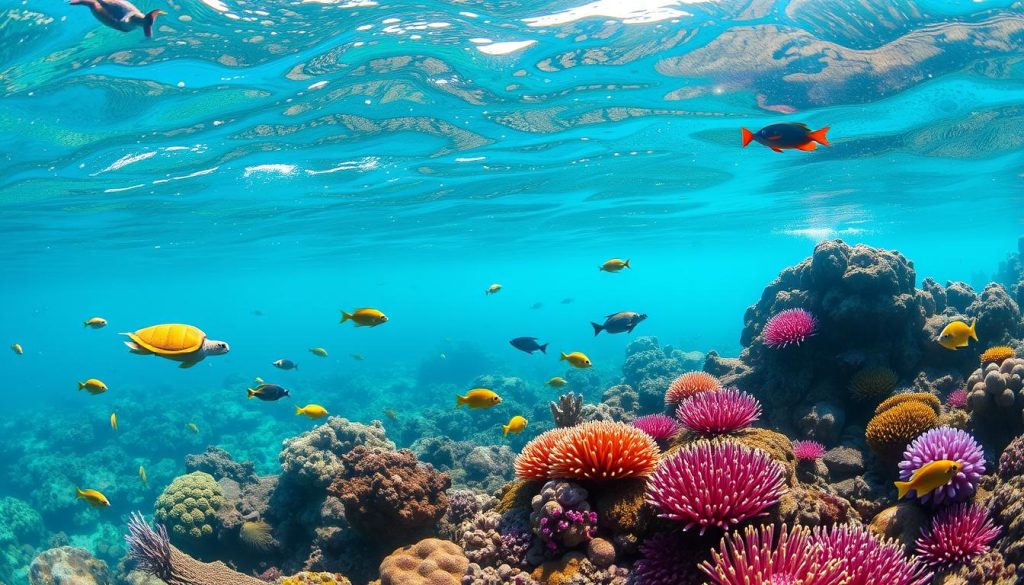
Flamenco Beach
Located on Culebra, this beach features shallow, clear waters ideal for viewing coral formations and tropical fish near the shore.
Look for coral reefs along the rock formations on the far left.
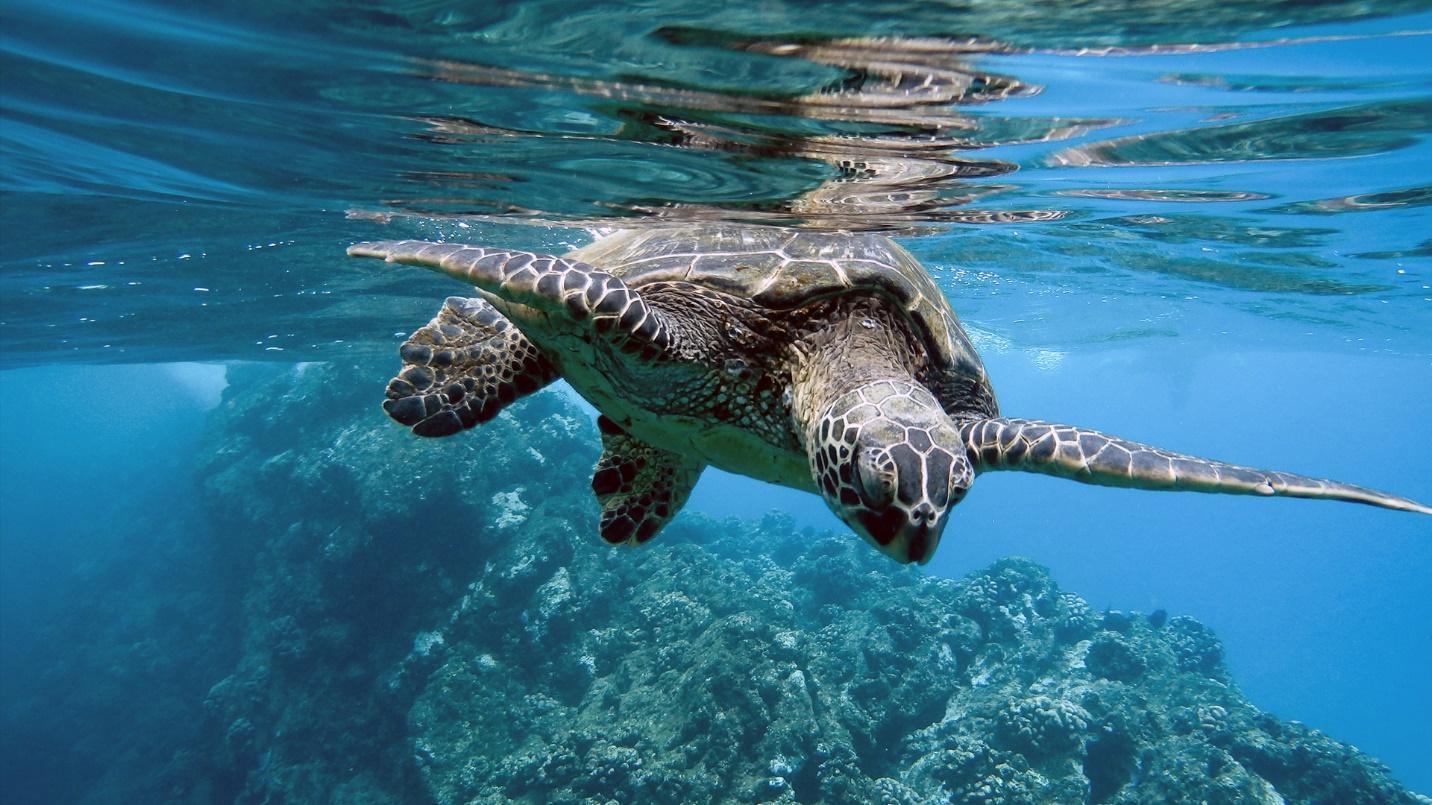
Tamarindo Beach
Part of the Culebra National Wildlife Refuge, this area is known for frequent sightings of green sea turtles feeding in the seagrass.
Swim toward the outer buoys for the best visibility of turtles.
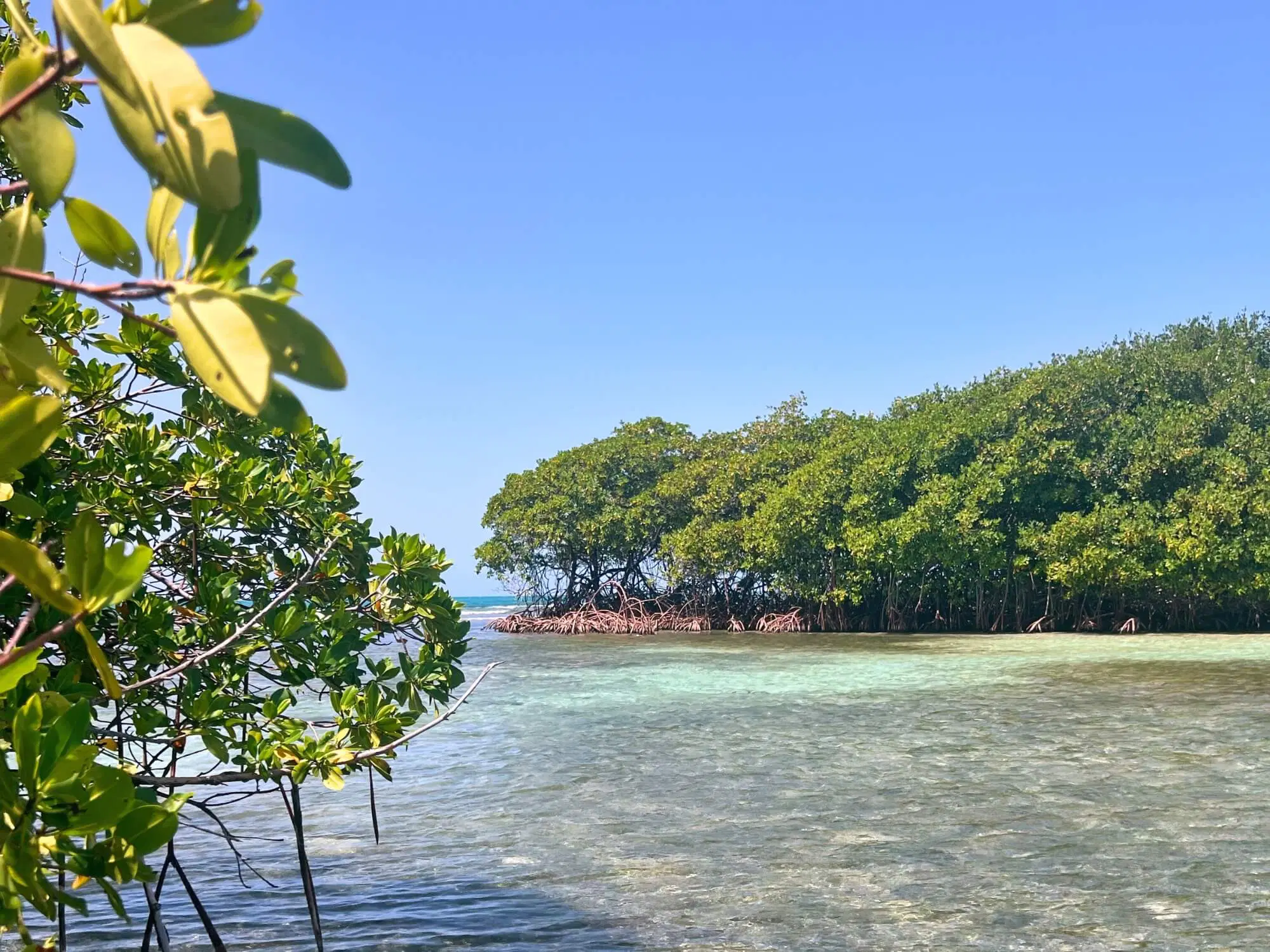
La Parguera Nature Reserve
This reserve in Lajas contains a network of mangroves and coral reefs accessible primarily by boat.
Explore the protected mangrove channels for sheltered snorkeling conditions.
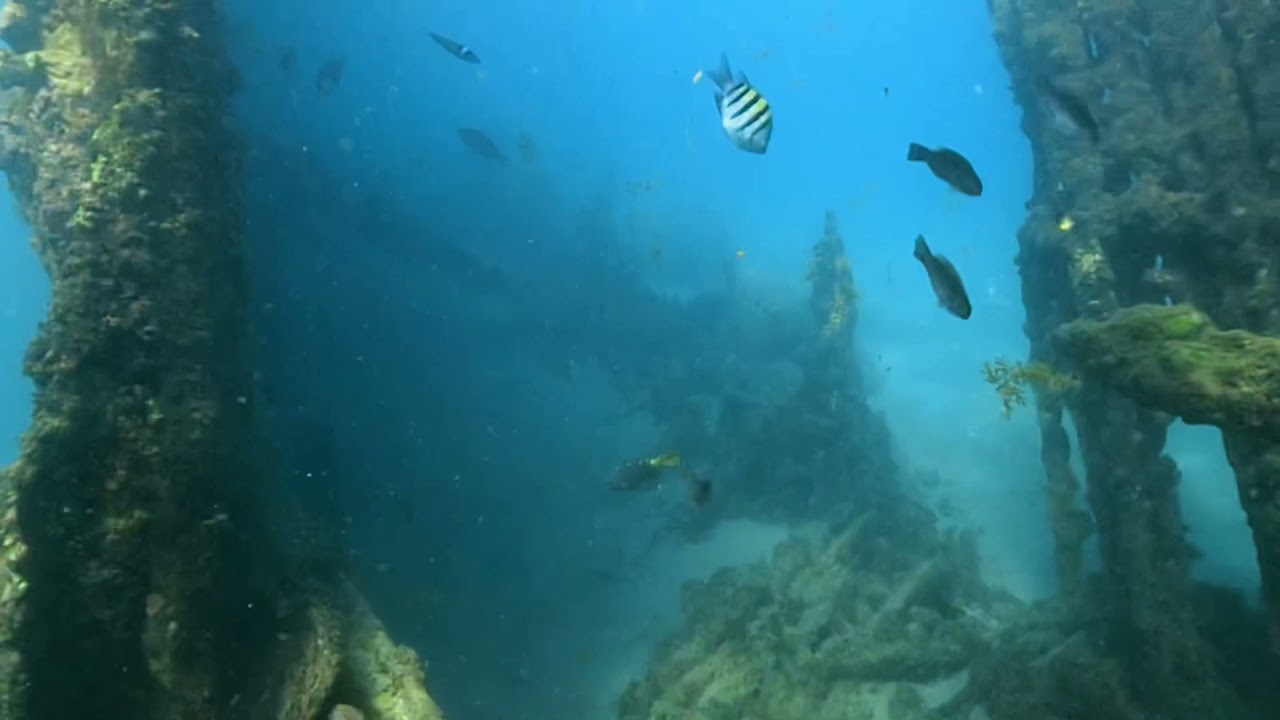
Escambrón Marine Park
Situated in San Juan, this protected marine reserve offers a controlled environment with artificial reefs and diverse fish species.
Visit the sandy entrance area to spot schools of blue tang.
Essential Preparation for Snorkeling Puerto Rico Reviews
Public beaches like Culebra require no tickets, but proper gear and timing ensure safe, clear-water conditions.
-
Pack reef-safe sunscreen — Chemical sunscreens damage coral and are banned in many Puerto Rico marine areas.
-
Bring your own snorkel gear — Rental availability is limited on smaller islands like Culebra and Vieques.
-
Check ferry schedules in advance — Culebra ferries fill quickly and require advance booking during peak season.
-
Wear water shoes or reef booties — Rocky entries and sea urchins are common at many snorkeling sites.
-
Arrive between 8:00–10:00 AM — Clearer water visibility and fewer crowds before peak afternoon.
-
Download offline maps of the area — Cell service is unreliable on Culebra and other remote snorkeling locations.
Check availability
Frequently asked questions about snorkeling puerto rico reviews
Everything you need to know about snorkeling puerto rico reviews