

Quick answer
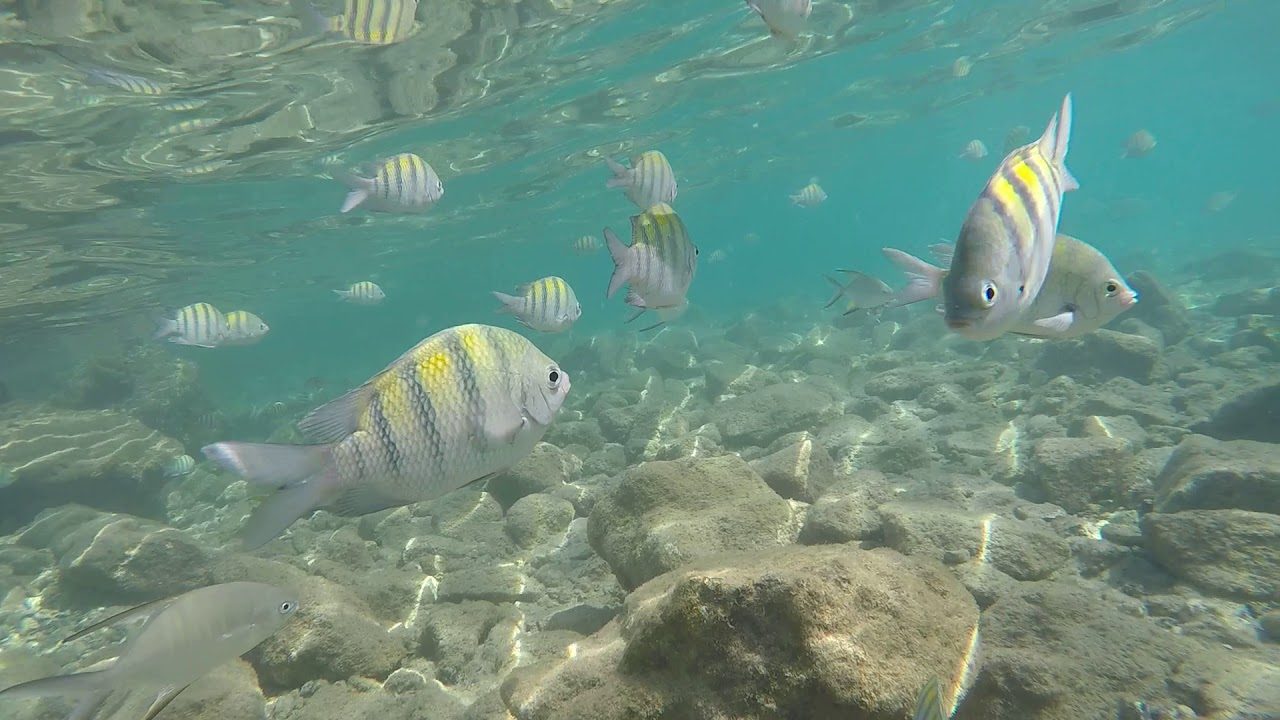
Escambrón Beach at Av. Muñoz Rivera offers the capital's most accessible snorkeling, open daily from 06:30 to 17:30 with free entry and shallow coral formations visible from shore. Arrive between 06:30 and 10:00 for calm conditions and optimal visibility before afternoon winds stir the surface. Expect sergeant majors, parrotfish, and blue tangs along the eastern rocky outcrop.
Escambrón Beach sits inside a natural cove protected by San Cristóbal fortress headland, creating a pocket of calm water even when the Atlantic churns beyond the breakwater. The eastern side holds a mix of elkhorn coral fragments and volcanic rock ledges where reef fish shelter from currents. Public access is unrestricted, though the main parking lot charges a nominal fee and fills quickly after mid-morning on weekends. Visibility near San Juan fluctuates with rainfall and wave action. Summer months see clearer water as trade winds ease and river runoff drops, while winter swells can stir sediment and reduce underwater sight lines to less than fifteen feet. Morning windows consistently outperform afternoons regardless of season—onshore breezes pick up after 11:00, creating surface chop that scatters light and muddies the view. Snorkeling Puerto Rico San Juan works best when you plan around these wind patterns rather than fighting them. The reef system here is recovering but fragile. Sergeant majors and blue tangs dominate the shallows, with occasional stoplight parrotfish grazing algae off rock surfaces. Deeper patches near the cove's mouth sometimes host southern stingrays buried in sand, identifiable only by their eye stalks and breathing spiracles. Touching coral or standing on submerged formations damages polyps that take years to regrow, so neutral buoyancy and careful fin placement matter more than swim speed. Gear rental kiosks operate near the beach entrance and stock masks, snorkels, and fins in standard sizes. If you bring your own equipment, rinse it in the beachside showers before leaving to prevent salt corrosion. The water stays warm enough year-round that most snorkelers skip wetsuits, though a rash guard helps prevent sunburn across your back during extended sessions. For snorkeling in San Juan, Escambrón remains the practical starting point—accessible by public transit, walkable from Old San Juan, and predictable enough for first-time visitors to navigate without a guide.
“Morning windows consistently outperform afternoons regardless of season—onshore breezes pick up after 11:00, creating surface chop that scatters light and muddies the view.”
Best Time of Day for Snorkeling Puerto Rico San Juan
The best arrival window is 06:30–10:00, as calm morning waters provide better visibility before afternoon trade winds create chop. Planning your visit during these early hours ensures the most stable conditions for underwater observation.
Weekday mornings
Minimal—
Quiet conditions allow for the clearest water and fewest swimmers.
Mid-April to June
ModerateHigh 80s°F; dry
These months offer warm water and consistent weather patterns.
September to October
LowHigh 80s°F; hurricane season
Occasional storms can affect visibility, but calm days are frequent.
Weekends
High—
Expect larger groups; arriving early is essential for water access.
Verdict: For optimal conditions, visit Tuesday to Thursday, arriving in the 06:30–10:00 window during the months of April, May, or June.
Entrance Fees and Costs for Snorkeling Puerto Rico San Juan
Access to Escambrón Beach for snorkeling is open to the public at no cost. Visitors should note that while entry to the beach is free, parking fees apply if utilizing the main lot.
Checklist for Snorkeling Puerto Rico San Juan Trips
Escambrón Beach requires minimal advance planning but proper gear makes the difference between a comfortable snorkel and a frustrating one.
-
Pack reef-safe sunscreen (SPF 30+) — Chemical sunscreens damage coral; physical zinc or titanium formulas protect both you and the reef.
-
Bring your own mask and snorkel — Rental options are limited near the beach; a proper fit prevents leaks and fogging.
-
Wear water shoes or reef booties — Rocky entry points and occasional sea urchins make bare feet risky.
-
Carry a small dry bag — Protect phones, keys, and cash while you're in the water—no lockers on site.
-
Check surf and wind forecasts — Afternoon trade winds after 14:00 often reduce visibility and create surface chop.
-
Arrive with cash for parking — The main lot charges a fee and card readers are unreliable.
Check availability
Frequently asked questions about snorkeling puerto rico san juan
Everything you need to know about snorkeling puerto rico san juan